

How to Build Good Study Habits at Home
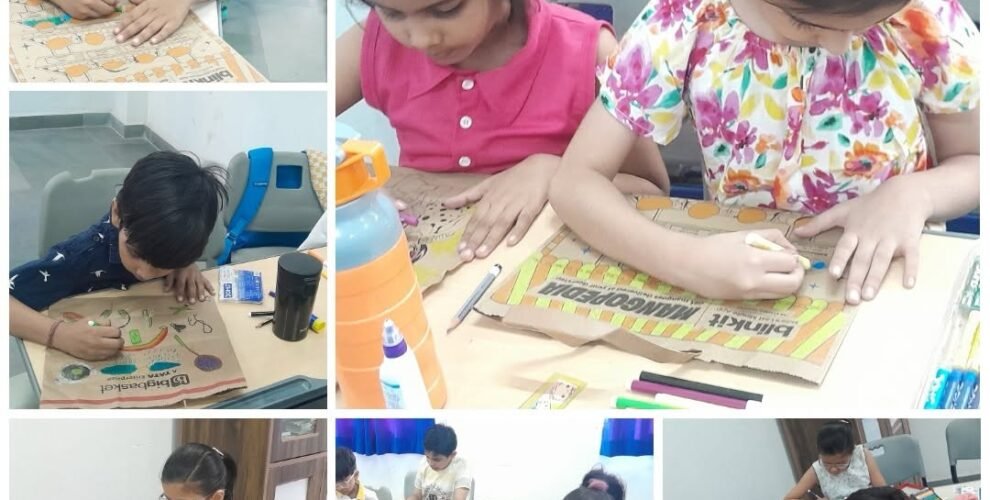
Many parents believe they need to become teachers to help their children succeed academically. In reality, that’s not true. You don’t need to explain every lesson or solve every math problem. Instead, your role is to create a supportive environment, encourage consistency, and help your child develop good study habits that will serve them throughout their lives.
Good study habits are not formed overnight. They develop through small, consistent actions—such as setting a regular study time, creating a distraction-free space, taking healthy breaks, and celebrating effort rather than just results. These habits not only improve academic performance but also build confidence, discipline, and resilience. Whether your child is just beginning school or preparing for important exams, establishing effective study habits at home can make learning more enjoyable and less stressful.
Why Good Study Habits Matter for Every Child
Children are naturally curious. However, curiosity alone isn’t enough to achieve academic success. They also need routines and strategies that help them learn effectively. This is where good study habits play a crucial role.
Study habits are more than just sitting with a book for a few hours. They include planning, staying organized, managing time wisely, reviewing lessons regularly, and maintaining focus while learning. These skills help children become independent learners who are prepared for challenges both inside and outside the classroom.
When children develop effective study habits, they experience several long-term benefits.
Better Academic Performance
Students who study consistently understand concepts more deeply than those who only study before exams. Regular revision strengthens memory and improves classroom performance.
Improved Concentration
A structured study routine trains the brain to focus for longer periods. Over time, children become less distracted and more productive during study sessions.
Reduced Exam Stress
One of the biggest causes of exam anxiety is last-minute preparation. Good study habits encourage regular learning, making exams feel less overwhelming and boosting confidence.
Increased Independence
Children who plan their own study time, complete assignments on schedule, and review lessons independently gradually become responsible learners. This independence prepares them for higher education and future careers.
Stronger Self-Discipline
Developing routines teaches children to stay committed even when they don’t feel motivated. Self-discipline is a valuable life skill that extends beyond academics.
Lifelong Learning Skills
The habits children develop during their school years often continue into adulthood. Whether learning a new language, acquiring professional skills, or pursuing higher education, disciplined learners adapt more easily to new challenges.
Benefits of Good Study Habits at a Glance
| Good Study Habit | Benefit |
| Studying daily | Improves long-term memory |
| Following a schedule | Builds discipline and consistency |
| Active learning | Enhances understanding |
| Taking regular breaks | Improves concentration |
| Time management | Reduces stress |
| Goal setting | Increases motivation |
| Daily reading | Expands vocabulary and comprehension |
Research in educational psychology consistently shows that students who develop healthy learning routines tend to perform better academically and experience lower levels of stress than those who rely on last-minute studying.
Simply put, good study habits are not just about getting better grades—they help children become confident, curious, and capable learners for life.
Signs Your Child Needs Better Study Habits
Sometimes, poor academic performance isn’t caused by a lack of ability. Instead, it may result from ineffective study routines. Recognizing the warning signs early allows parents to provide the right support before small challenges become bigger problems.
Here are some common signs that your child may need to develop better study habits.
Easily Distracted
If your child frequently checks their phone, looks around the room, or loses focus after just a few minutes, distractions may be affecting their learning.
Frequently Forgetting Homework
Regularly forgetting assignments, books, or project deadlines often indicates poor organization rather than poor intelligence.
Last-Minute Exam Preparation
Does your child only begin studying a day or two before an exam? Cramming may help temporarily, but it rarely leads to deep understanding or long-term retention.
Poor Time Management
Children who spend too much time on one subject, procrastinate, or struggle to balance homework with extracurricular activities often need guidance in managing their time effectively.
Low Motivation
If your child often says, “I’ll do it later,” or shows little interest in learning, they may lack a structured routine or achievable goals.
Difficulty Completing Assignments
Taking an unusually long time to finish homework, leaving tasks incomplete, or becoming frustrated easily can indicate ineffective study strategies.
Constant Dependence on Parents
While younger children naturally need guidance, older students should gradually become more independent. If your child relies on you for every assignment, it may be time to encourage greater responsibility.
10 Best Study Habits Parents Can Encourage at Home
1. Create a Dedicated Study Space
One of the best study habits parents can encourage is having a dedicated place for learning. Children concentrate better when they associate a specific area with studying rather than watching television or playing games. An ideal study area should include:
- Good lighting to reduce eye strain.
- A comfortable chair and table.
- School supplies within easy reach.
- Minimal noise and distractions.
- A clean and organized workspace.
Avoid allowing children to study in front of the television or while using entertainment devices. A clutter-free environment helps the brain stay focused and improves productivity.
2. Follow a Consistent Study Schedule
Children thrive on routines. Studying at the same time every day helps build discipline and reduces the temptation to procrastinate.
Instead of waiting until homework piles up, encourage your child to set aside a specific time for learning each day.
For example:
| Age Group | Suggested Daily Study Time |
| Primary School (6–10 years) | 20–40 minutes after school |
| Middle School (11–13 years) | 45–60 minutes |
| Secondary School (14+ years) | 1–2 hours with short breaks |
Choose a time when your child is alert and not overly tired. Some children concentrate best immediately after school, while others prefer studying after a short break and snack.
3. Set Small and Achievable Learning Goals
Large assignments or exam preparation can feel overwhelming, especially for young learners. Breaking tasks into smaller, manageable goals makes studying less stressful and more rewarding. For example, instead of saying:
“Finish your science chapter.”
Try saying:
- Read the first three pages.
- Write five important points.
- Solve two practice questions.
- Review today’s lesson for five minutes.
Each completed goal gives children a sense of achievement, boosting their confidence and encouraging them to keep going. Small, consistent progress often leads to greater success than trying to complete everything in one sitting.
4. Limit Screen Distractions During Study Time
In today’s digital world, screens are a part of children’s everyday lives. While technology can be an excellent learning tool, it can also become one of the biggest obstacles to developing good study habits. Research shows that it takes several minutes to regain focus after an interruption. Frequent distractions reduce productivity and make studying feel longer and more tiring.
Practical Ways to Reduce Screen Distractions
- Keep mobile phones away during study sessions unless they are needed for learning.
- Turn off unnecessary notifications.
- Close unrelated apps and browser tabs.
- Use a simple timer to divide study and break times.
- If studying on a computer, encourage your child to focus on one task at a time.
Parents can also support this habit by limiting their own screen use during family study time. Children are more likely to stay focused when they see adults doing the same.
5. Encourage Active Learning Instead of Passive Reading
Many children believe that reading a chapter several times is enough to prepare for a test. However, simply reading without engaging with the material is called passive learning, and it is often less effective. Active learning encourages children to think, question, and apply what they learn. It improves understanding, strengthens memory, and makes studying more enjoyable.
Simple Active Learning Techniques
| Passive Learning | Active Learning |
| Reading repeatedly | Taking notes |
| Highlighting everything | Summarizing key ideas |
| Memorizing blindly | Asking questions |
| Watching videos only | Solving problems |
| Listening silently | Teaching others |
Children who actively participate in their learning are more likely to retain information for the long term.
6. Include Regular Breaks
Studying for hours without a break may seem productive, but it often leads to mental fatigue and reduced concentration. Short breaks help the brain process new information, improve memory, mental balance and restore focus. A simple technique many students use is the Pomodoro Technique. It involves studying for a set period and then taking a short break.
For younger children, you can adapt it like this:
| Age Group | Study Time | Break Time |
| 6–10 years | 20–25 minutes | 5 minutes |
| 11–14 years | 30–40 minutes | 5–10 minutes |
| 15+ years | 45–50 minutes | 10 minutes |
During breaks, encourage activities such as:
- Stretching
- Drinking water
- Walking around the room
- Looking outside for a few minutes
- Deep breathing
Avoid using social media or video games during short breaks, as they can make it difficult to return to studying.
7. Make Reading a Daily Habit
Reading is one of the most helpful study habits children can develop. It not only supports academic success but also nurtures imagination, empathy, and critical thinking.
While textbooks are essential, reading storybooks, biographies, science magazines, and age-appropriate newspapers broadens a child’s perspective and builds a love for learning.
Benefits of Daily Reading
- Improves vocabulary
- Enhances comprehension skills
- Develops critical thinking
- Increases creativity
- Strengthens writing skills
- Builds curiosity about the world
8. Celebrate Progress, Not Just Marks
Every child learns at a different pace. Focusing only on grades can unintentionally make children fear mistakes instead of embracing learning.Instead, celebrate effort, consistency, and improvement.
For example, praise your child when they:
- Complete homework on time.
- Stay focused during study sessions.
- Improve their handwriting.
- Read independently.
- Organize their study materials.
Simple words like:
“I’m proud of how consistently you’ve been studying.”
or
“You worked really hard on this assignment.”
can have a powerful impact.
Children who feel appreciated for their efforts are more likely to stay motivated and continue developing good study habits.Remember, marks reflect performance on a particular day, but habits shape future success.
9. Teach Time Management Skills
Time management is an essential life skill that supports effective study habits. Children who learn to organize their time are less likely to procrastinate, feel overwhelmed, or rush through assignments at the last minute. Instead, they learn to prioritize tasks, stay organized, and complete their work with confidence.
Rather than reminding your child about every homework assignment or upcoming test, teach them how to plan their day independently. When children learn to decide what needs to be done first, they become more responsible and develop skills that will benefit them far beyond the classroom.
10. Lead by Example
Children learn more from what parents do than from what they say.
If parents regularly read books, plan their work, manage time effectively, and continue learning new skills, children naturally begin to imitate these behaviors. You don’t have to sit beside your child every day while they study. Instead, create a culture of learning at home.
For example:
- Read a book while your child studies.
- Discuss interesting facts during dinner.
- Solve puzzles together.
- Learn a new hobby as a family.
- Show curiosity by asking questions and exploring answers together.
These everyday actions send a powerful message:
“Learning doesn’t stop after school—it continues throughout life.”
Leading by example is one of the most effective ways to encourage lifelong learning.
Helpful Study Habits That Improve Memory and Concentration
While study techniques are important, a child’s overall lifestyle also has a significant impact on learning. Healthy daily routines support brain development, improve concentration, and enhance memory.
The following helpful study habits can make studying more effective:
| Habit | How It Helps |
| Getting enough sleep | Supports memory consolidation and learning |
| Healthy nutrition | Provides energy for the brain |
| Drinking enough water | Improves concentration and alertness |
| Regular physical activity | Boosts brain function and reduces stress |
| Daily revision | Strengthens long-term memory |
| Writing instead of only reading | Improves understanding and recall |
| Practice tests | Builds confidence and identifies learning gaps |
Common Study Habit Mistakes Parents Should Avoid
Parents naturally want the best for their children. However, some well-intentioned actions can unintentionally reduce a child’s motivation and make learning feel stressful instead of enjoyable. Being aware of these common mistakes can help you create a more positive and supportive learning environment.
Mistakes vs. Better Approaches
| Avoid This | Try This Instead |
| Comparing children | Celebrate individual progress |
| Long study hours without breaks | Follow a balanced schedule |
| Focusing only on marks | Praise effort and improvement |
| Punishing mistakes | Encourage learning from mistakes |
| Last-minute cramming | Revise regularly |
| Doing all the work for your child | Encourage independence |
Final Thoughts
Helping children build good study habits is one of the greatest investments parents can make in their future. Academic success doesn’t come from studying harder for one day—it comes from studying smarter every day.
Remember that children learn through consistency, encouragement, and example. Focus on creating a supportive home environment where learning is valued, questions are welcomed, and mistakes are seen as opportunities to grow.
Over time, these simple habits will help your child become a confident learner who is prepared not only for school but also for life’s many challenges.
Every great achievement begins with a small daily habit. Start today, stay consistent, and watch your child grow into an independent and enthusiastic learner.
At Greater Noida Podar Learn School, we partner with parents to nurture discipline, curiosity, and lifelong learning through engaging classroom experiences and personalized guidance. Discover how your child can thrive with the Podar Advantage.